


Impacts of di-n-butyl phthalate (DBP) exposure on the health of workers in the rubber processing industry: A warning from epidemiological research in the Central region
In the rubber processing industry, di-n-butyl phthalate (DBP) is a compound commonly used as a plasticizer, contributing to the flexibility of products. However, few people know that DBP is a substance that can negatively affect the health of workers if they are exposed frequently and for prolonged periods. This is one of the concerning potential hazards in manufacturing facilities in the Central region – where the rubber industry is rapidly developing.
In reality, working conditions in rubber processing factories are often characterized by high temperatures, a strong chemical odor, and arduous working conditions. Although physical safety factors have been improving, the risks from chemical exposure like DBP have not received adequate attention. Consequently, a field study conducted by the Branch of National Institute of Occupational Safety and Health in the Central Vietnam, VNNIOSH, at two rubber production facilities has provided a clearer insight into the impact of DBP on the health of workers.
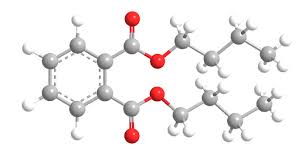
Di-n-butyl phthalate
DBP – The invisible hazard from daily exposure
When entering the body through respiration or skin, DBP is metabolized into phthalic acid (PA) and other metabolites. Many international studies have shown a link between DBP and endocrine disorders, decreased reproductive function, as well as chronic diseases such as obesity, diabetes and even cancer. Notably, the International Agency for Research on Cancer (IARC) has classified DBP as Group 2B – possibly carcinogenic to humans.
In Vietnam, a research group from VNNIOSH conducted a survey at two rubber processing facilities (CS1 and CS2) with the aim of assessing the level of DBP exposure through two indicators: the concentration of the substance in the air (personal exposure) and the PA content in workers’ urine. At CS1, the results from 125 samples (including 100 production workers and 25 office staff) showed that the levels of DBP in the air as well as PA in urine were both below the regulatory thresholds of Vietnam and the United States. Meanwhile, at CS2, 250 samples were collected (including 200 samples from direct production areas and 50 samples from indirect areas) through two survey rounds, each with 125 samples, showing that the majority of workers in the production processes at CS2 were exposed to DBP in the working environment.
Different production processes record varying degrees of DBP exposure. The locations with the highest levels of exposure include kneading and vulcanization, with DBP concentrations potentially exceeding 0.2 mg/m³ – many times higher than in other processes. Notably, although it does not exceed the permissible exposure limit according to Decision 3733/2002/QĐ-BYT, there are up to 52 positions at CS2 with DBP exposure exceeding the MADL limit set by the United States – which means the daily exposure level should not be exceeded to avoid health impacts. Specifically, in the kneading process, DBP exposure can reach up to 42.05 µg/day, more than 4 times the recommended limit. In the vulcanization process, exposure ranges from 21.7 to 42.05 µg/day, which is over 2 times the permissible threshold. These figures indicate that workers in the above processes are experiencing serious impacts from DBP in their working environment.
Not only stopping at analyzing the air, but the research group also collected urine samples to measure PA – the metabolite of DBP in the body. At CS2, nearly half of the samples (46% in the first round and 42% in the second round) had PA concentrations exceeding the threshold of 0.426 µmol/L, particularly concentrated among workers in the kneading and vulcanization processes. The correlation between DBP in the air and PA in urine is also quite clear, especially in the second survey round with a correlation coefficient reaching 0.73 – reflecting the extent of exposure that truly affects workers’ bodies.
Health impacts: Notable signs
In addition to environmental and biological indicators, the research also assessed the relationship between DBP and some common health issues such as obesity, cardiovascular diseases and diabetes.
At CS2, 29% of production workers and 12% of office staff were recorded with obesity levels 1 and 2. The correlation coefficient between PA concentration in urine and BMI index is 0.363 – while it is weak, it indicates that DBP may contribute to the risk of abnormal weight gain. In contrast, at CS1, this relationship was not clear, mostly only showing signs of pre-obesity.
Regarding cardiovascular diseases, the study has not noted a clear link between DBP exposure and hypertension. However, the limitations of the research in terms of duration and sample size do not allow for definitive conclusions, requiring further long-term researches.
A similar situation occurs with diabetes. Although some weak correlations between urinary PA and the disease have been recorded (correlation coefficient r ≈ 0.4), they are not strong enough to assert a causal relationship. Nevertheless, these results still raise warnings for closer monitoring of the health of workers who are frequently exposed to DBP.
Towards a safer working environment
Field research at CS1 and CS2 has shown that although some DBP exposure values do not exceed current regulatory standards, their continuous and cumulative presence in the body over the years can still be harmful to health. Processes such as kneading and vulcanization are hot spots for chemical exposure, requiring timely and coordinated interventions.
Some urgent solutions proposed including enhancing communication and occupational health education for workers; improving production processes and ventilation techniques; properly and fully using personal protective equipment and regularly monitoring the working environment as well as the biological indicators of workers.
More importantly, larger scale and long-term researches are needed to accurately determine the relationship between DBP and chronic pathologies. This is a necessary basis for proposing adjustments to occupational exposure standards and appropriate health protection policies.
Conclusion
From the practical survey of rubber processing facilities in the Central region, exposure to DBP is a significant occupational risk that cannot be overlooked. Although not all workers exceed safe levels, the high rate of exposure and abnormal health signs in specific work positions have raised alarm bells. Without early and effective intervention measures, these impacts could accumulate serious long-term consequences, not only for the workers but also for the entire rubber industry.
M.A. Truong Thi Thuy Quynh, PhD. Nhan Hong Quang, B.A. Tran Thi Kim Anh
Branch of National Institute of Occupational Safety and Health in the Central Vietnam


