


Developing a risk prediction model for virus transmission in enclosed workspaces in Vietnam
From the lesson of the pandemic to the need for risk control in the workplace
In recent years, respiratory infectious diseases such as seasonal flu, SARS, and especially COVID-19 have shown a profound impact on workers’ health as well as on business production activities. In enclosed working environments such as factories, offices, or production lines with a large concentration of workers, the risk of airborne virus transmission is always present if ventilation systems and control measures are not effectively implemented.
This reality raises the requirement for scientific risk assessment tools that help enterprises proactively identify hazards and choose appropriate preventive measures. From that need, the research team of VNNIOSH has developed a model for predicting the risk of virus transmission in enclosed workspaces, aiming for applicability in production conditions in Vietnam.
A new approach in assessing infection risk
The model is developed based on inheriting international studies on airborne transmission, while also adding specific factors of the Vietnamese working environment. Unlike previous simple assessment methods, the model allows for the simultaneous consideration of multiple factors affecting the risk of disease spread.
The factors included in the assessment consist of the viral load of the infected person, the intensity of the worker’s activity, the effectiveness of masks, ventilation and air exchange capabilities, the performance of the air filtration system, environmental conditions, and the level of vaccination coverage within the company.
Thanks to this, the model can forecast the risk of infection in various scenarios, more closely reflecting the actual conditions in factories, production workshops, and office workplaces.
Determinant factors of virus transmission risk
Research findings show that the risk of infection in enclosed spaces is simultaneously affected by multiple factors, among which ventilation, masks, duration of exposure, and worker density are the most prominent.
Ventilation is identified as the technical solution with the greatest impact on controlling airborne infection. When more clean air is supplied and polluted air is effectively expelled, the concentration of viruses in the environment is significantly reduced, thereby lowering the exposure risk for workers.
In addition, using masks properly remains an effective and low-cost protective measure. Simulations show that masks can significantly reduce the viral load inhaled by workers, especially in high-density or crowded workspaces.
Research also indicates that prolonged exposure time and high labour density increase infection risk because virus-carrying aerosol particles have the conditions to accumulate in the air. This suggests that organizing production rationally, arranging appropriate work shifts, and reducing labour concentration density are solutions that need to be focused on.
Moreover, vaccination continues to play an important role in reducing the risk of disease outbreaks and limiting serious consequences for workers’ health.
Towards application in enterprises
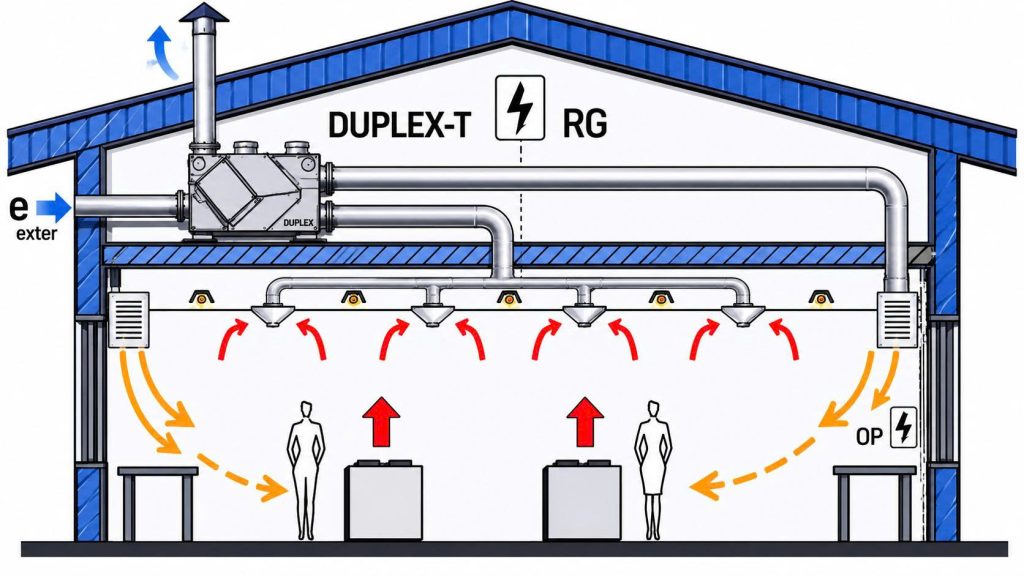
Figure 1: Ventilation organizational diagram
One of the prominent values of the research is the ability to support enterprises in making datadriven decisions. Through the predictive model, enterprises can assess the risk level in each work area based on actual parameters such as factory area, number of workers, working hours, and ventilation flow.
The evaluation results serve as a basis for selecting appropriate control solutions such as upgrading the HVAC system, increasing fresh air supply, installing air filtration systems using HEPA filters or UV light, improving the layout of the production area, and adjusting labour organization.
In addition to technical solutions, the research also emphasizes the role of management and communication measures such as maintaining vaccination, wearing masks when necessary, personal hygiene, and raising workers’ awareness about disease prevention.
Significance for OSH work
The emergence of new infectious diseases in the future is something that is difficult to predict. Therefore, developing risk assessment tools based on scientific principles is highly significant for modern OSH management.
The virus transmission risk prediction model developed by VNNIOSH not only helps quantify the risk of infection in confined work
environments but also supports enterprises in proactively developing preventive measures suitable for actual conditions. This is a step forward in applying data science and modeling in OSH field, contributing to protecting workers’ health and maintaining safe, stable production activities in the context of ongoing epidemic risks.
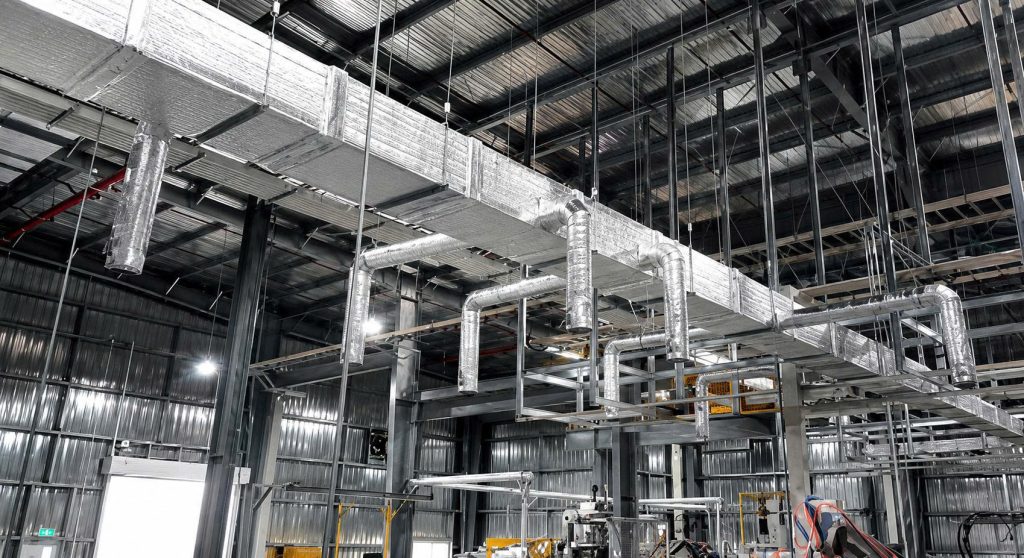
Figure 2: Ventilation system installed in the factory


